20
Sep
2026

On Sunday, we checked out of the Radisson hotel in Plovdiv and headed towards Burgas on the Black Sea, Eastern Coast of Bulgaria. We had some interesting stops along the way – the first was at some Thracian tombs and the second at a rose distillery.
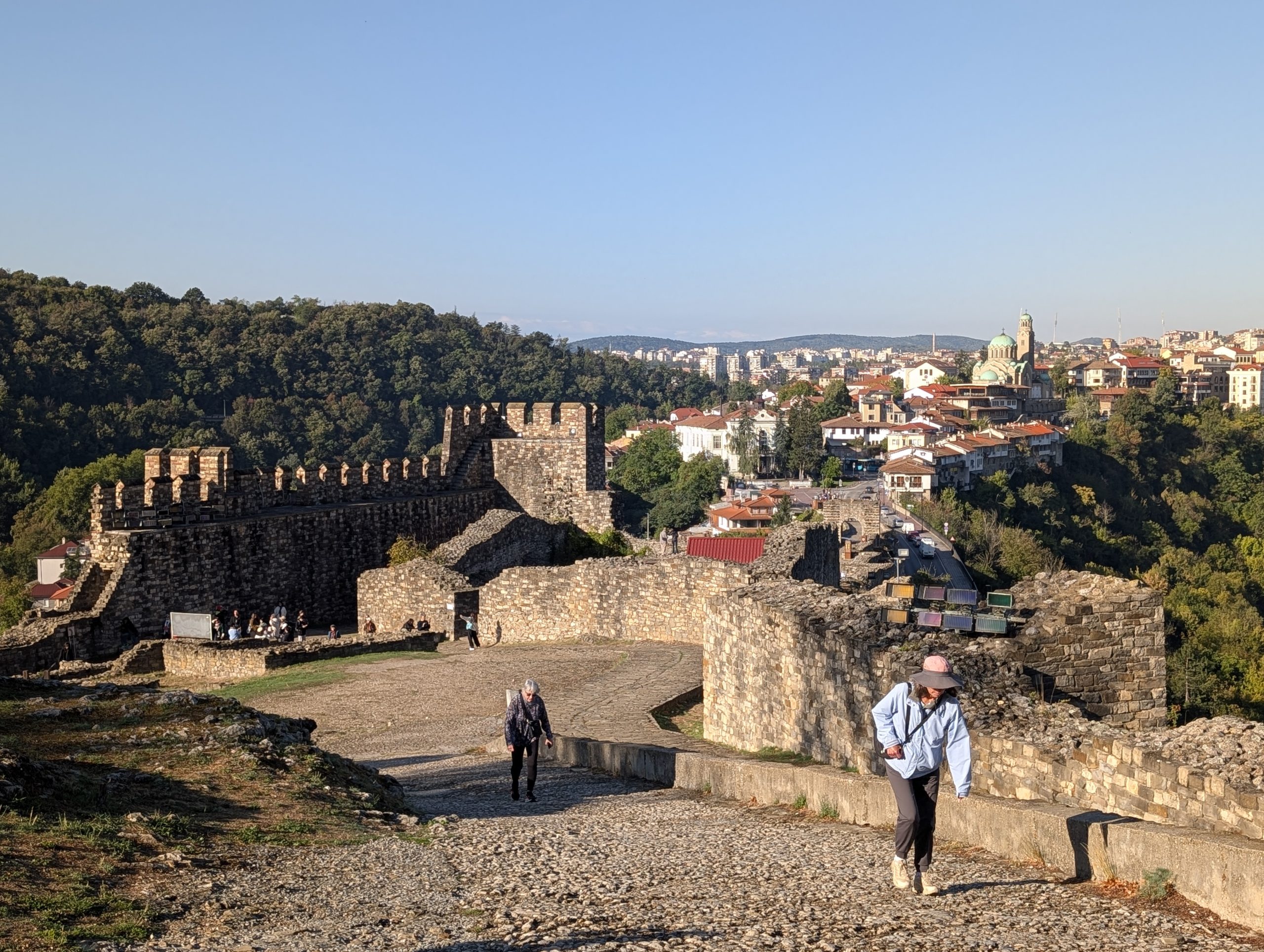
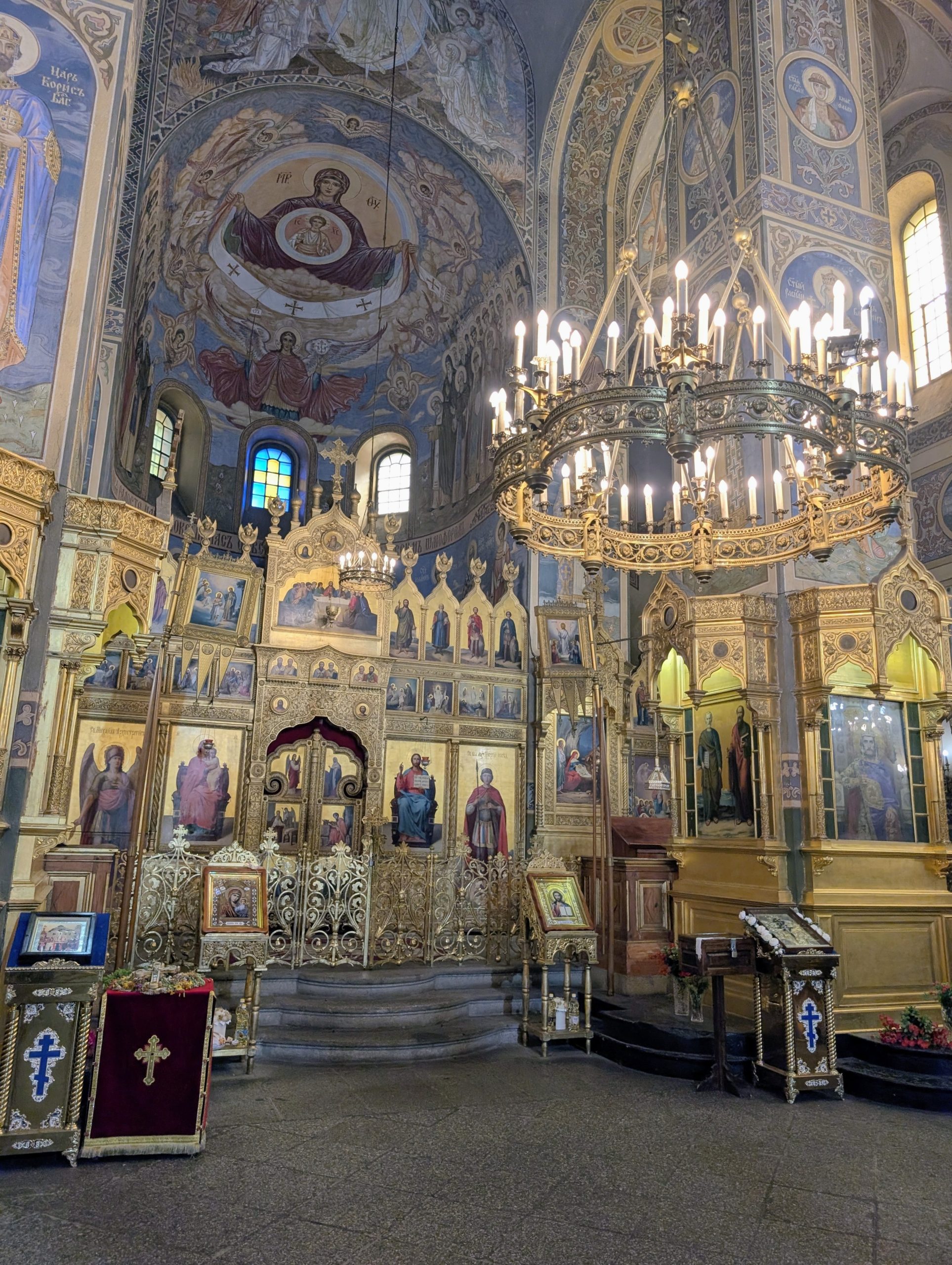
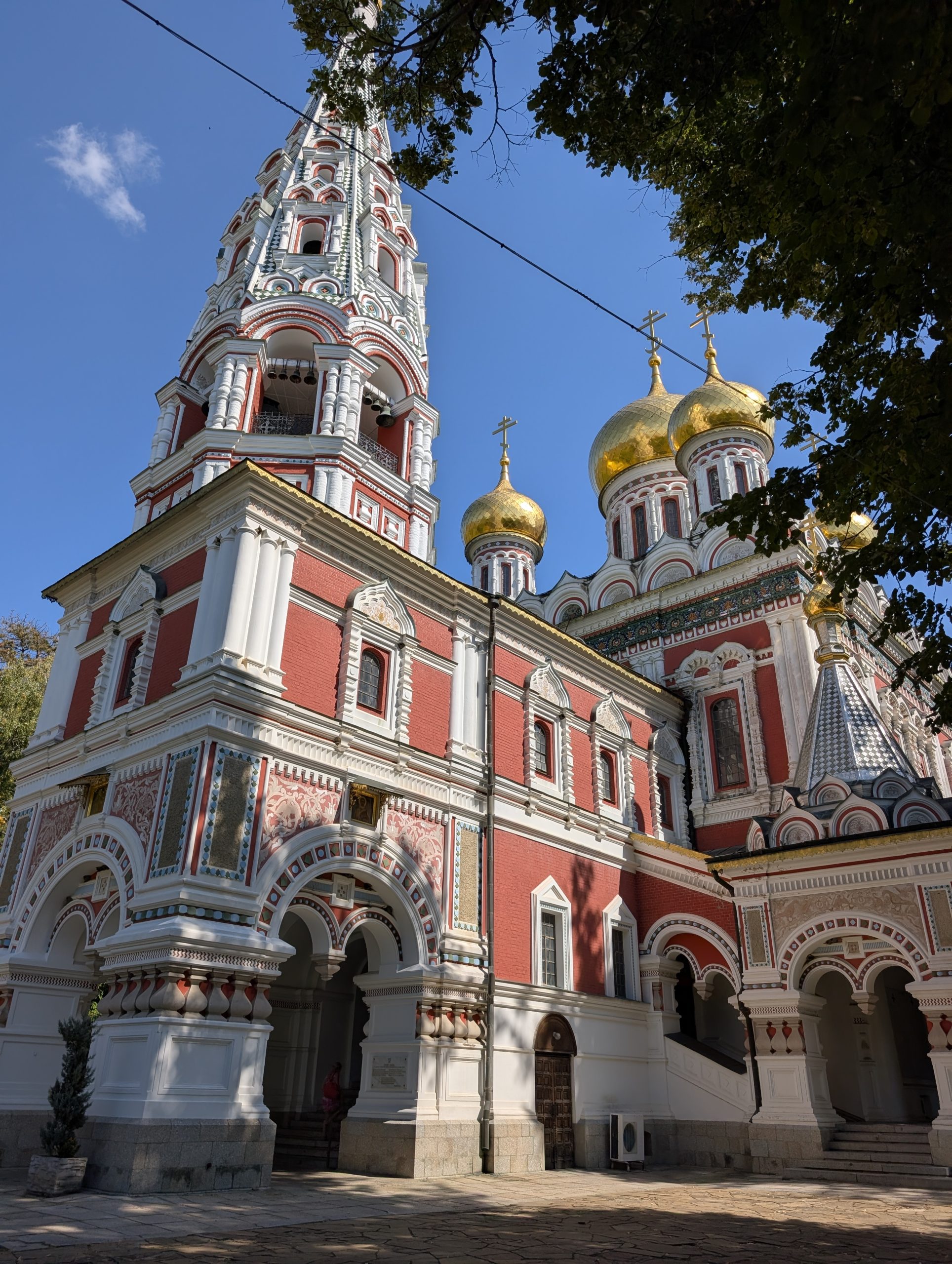
During our bus ride, we learned more about Bulgarian’s battles for freedom from the Ottomans between 1876 to 1878, particularly a battle at Shipka Pass. Russian General Gurko and his army along with Bulgarian militia repelled the Ottoman’s in 1877. There is a memorial at the top of this pass and nearby is the Shipka Memorial (Russian) Orthodox Church built as a memorial to the Russian and Bulgarian soldiers who fought for Bulgaria’s freedom. It sits on a hill above a village, showing off its many onion shaped gold domes and painted frescoes inside. Many other battles were fought after 1878 as Bulgaria sought to reclaim its borders.
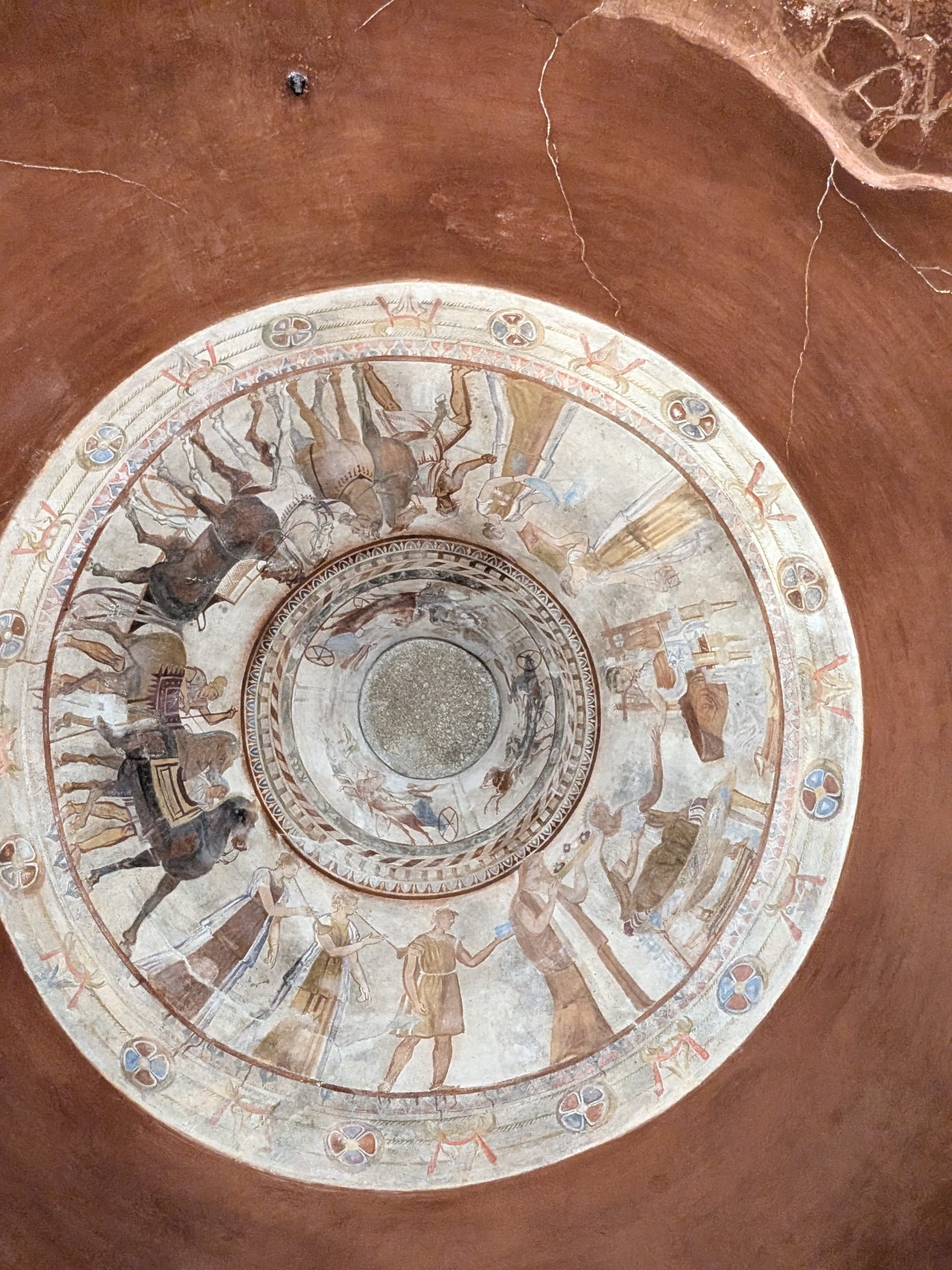
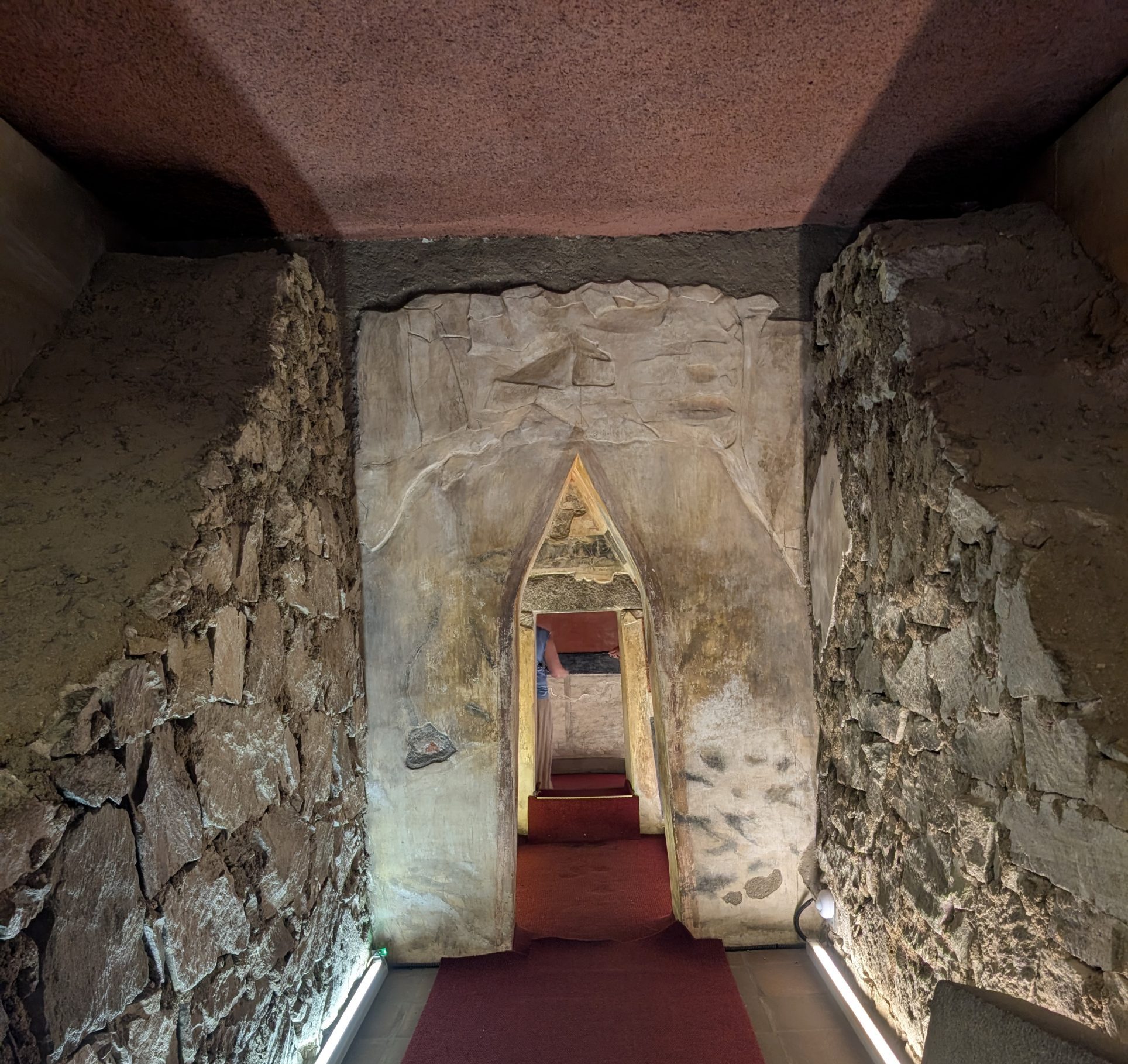
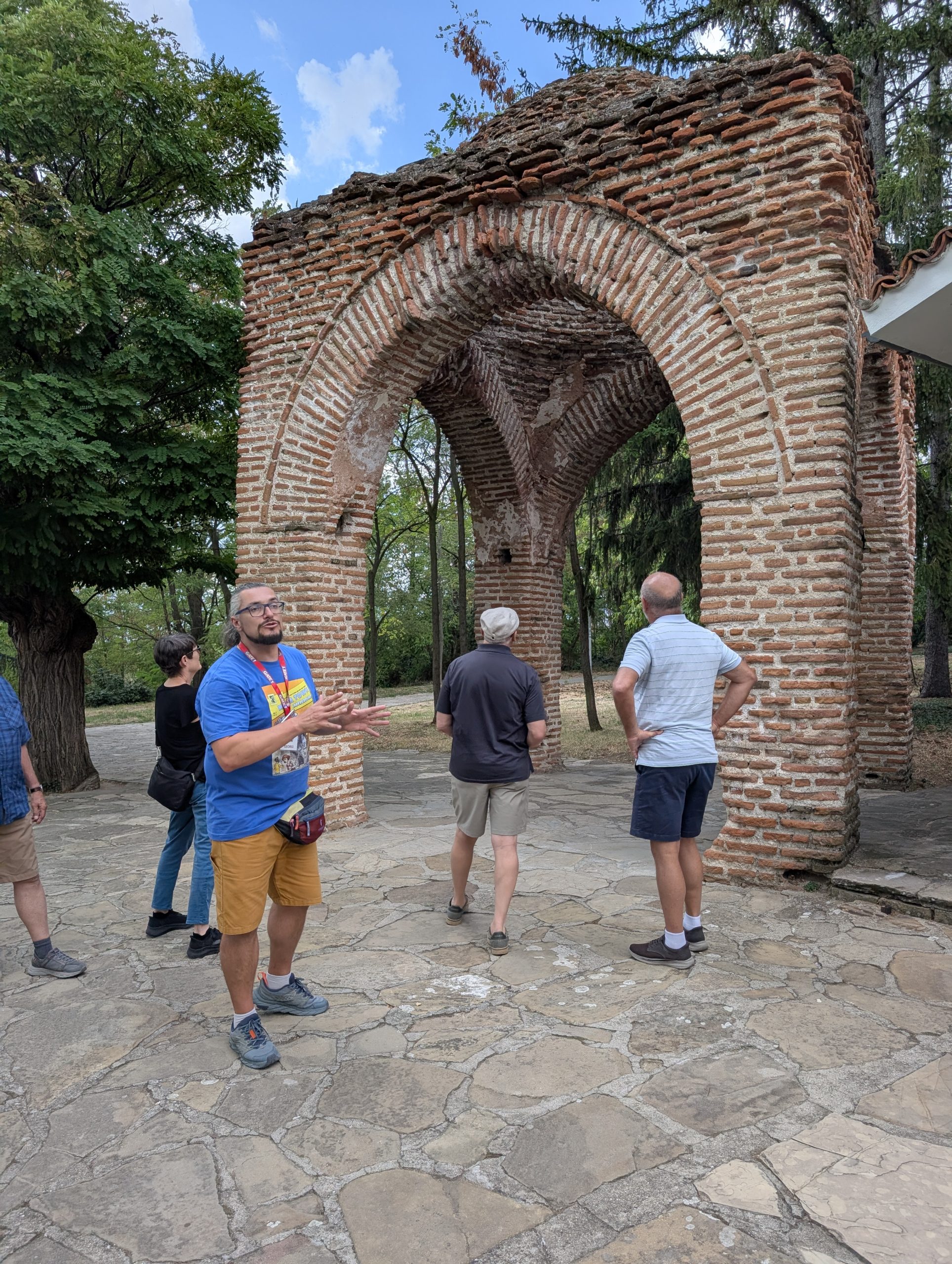
We stopped in Kazanluk to see the Thracian tombs that were excavated there. This area is known as the Valley of the Thracian Kings and is dotted with Thracian tombs that date from the 5th to 3rd centuries BC. The tombs are “hidden” under large burial mounds (mogila) that are visible from the road. Only a few of the tombs have been excavated. The one we visited was discovered in 1944 when soldiers were digging trenches. To preserve the original, a replica tomb for tourists to visit was built nearby. Only four visitors at a time can enter the replica. The tomb has beautiful frescoes and is believed to be that of King Seuthes III. A gold mask, a bronze head and other treasures that were found in the original tomb are on display in the a Sofia museum. An interesting and gruesome tradition during this time was that the king’s wife was obliged to commit suicide and join him in his tomb after 40 days. However, this king’s wife refused and negotiated her freedom.
This World Heritage Site has mixed reviews and it is suggested there are other tombs to visit that might be more worthwhile. Nonetheless it was an interesting stop for our group and our tour guide gave a great explanation.
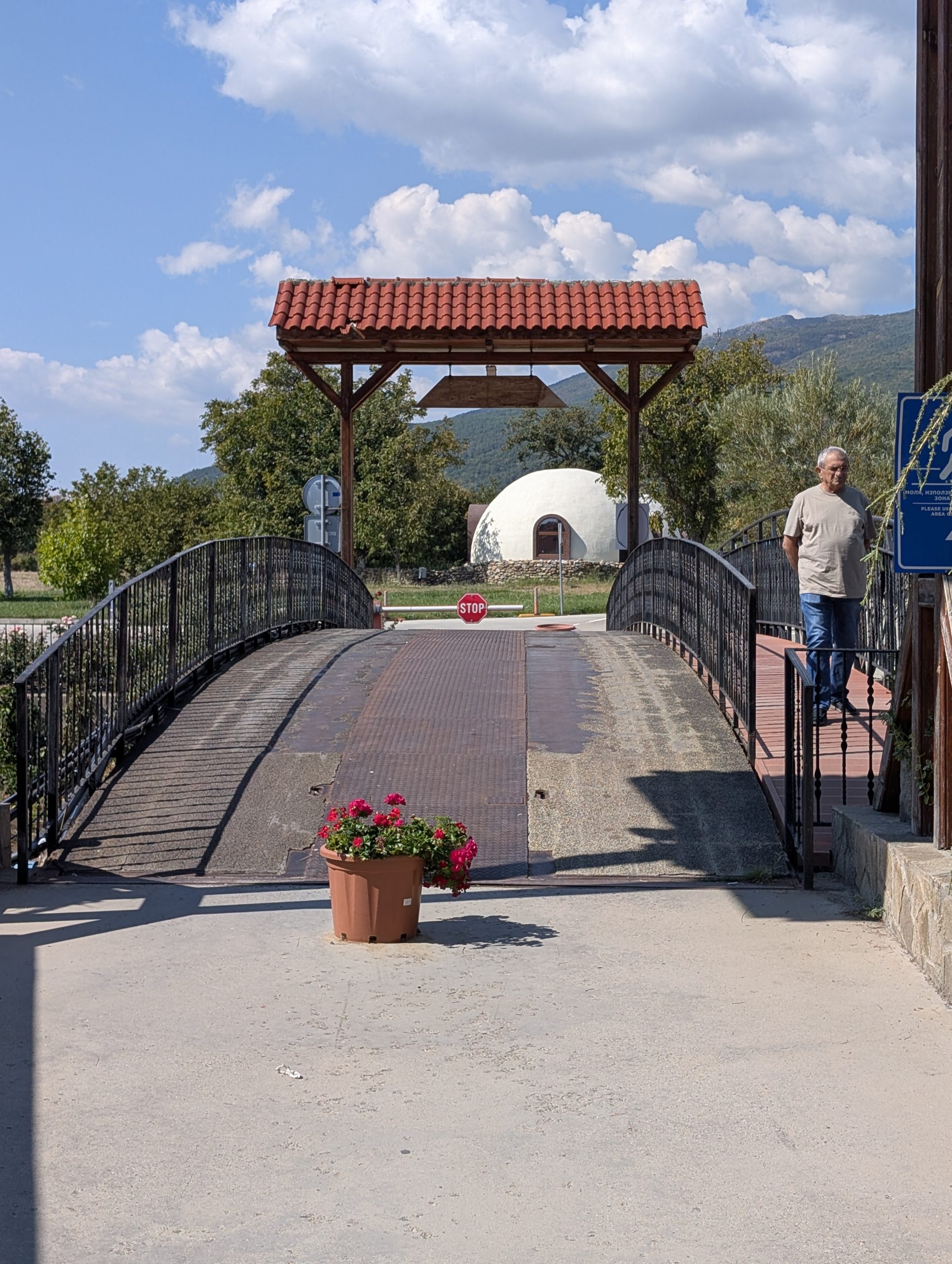
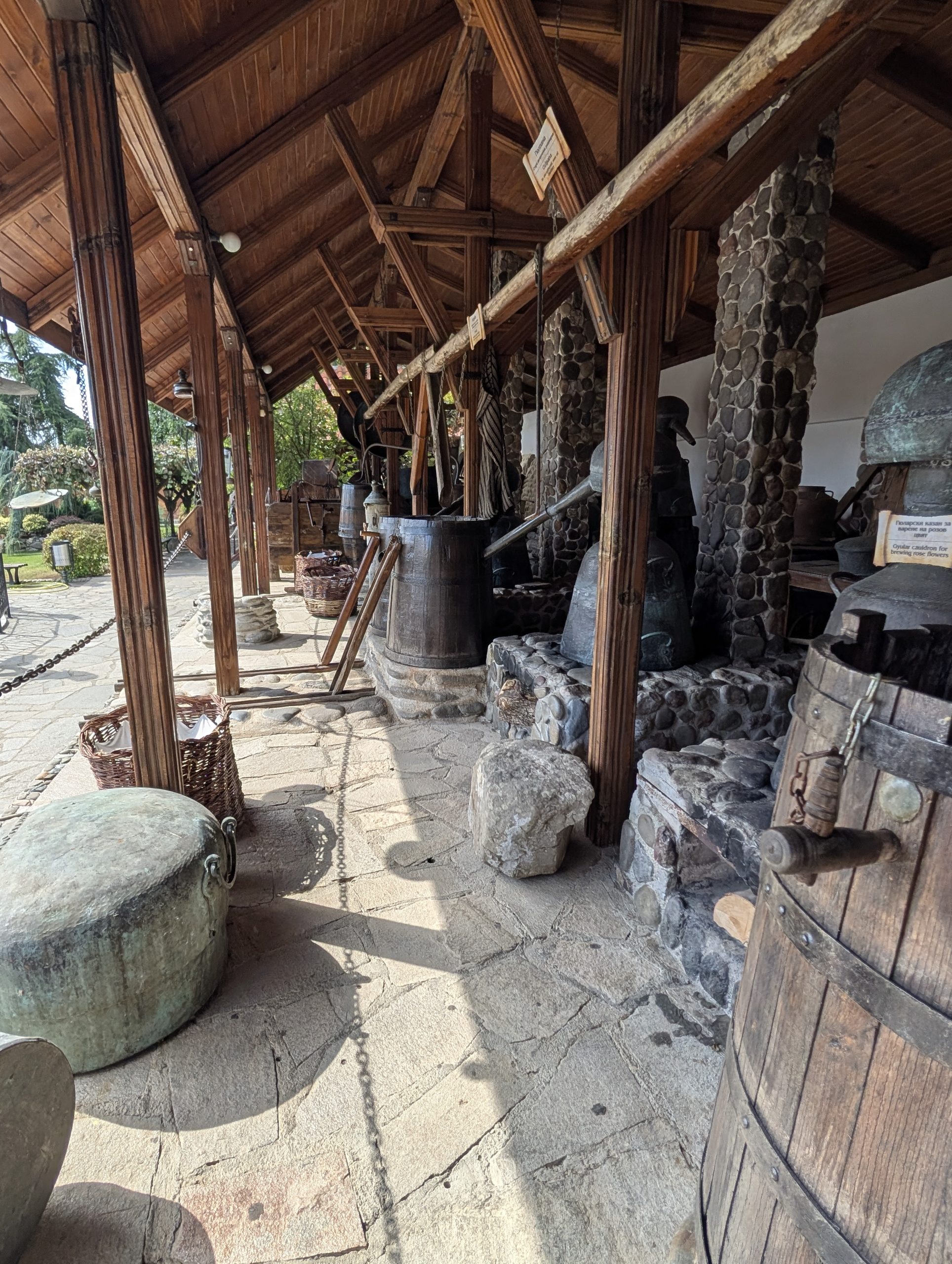
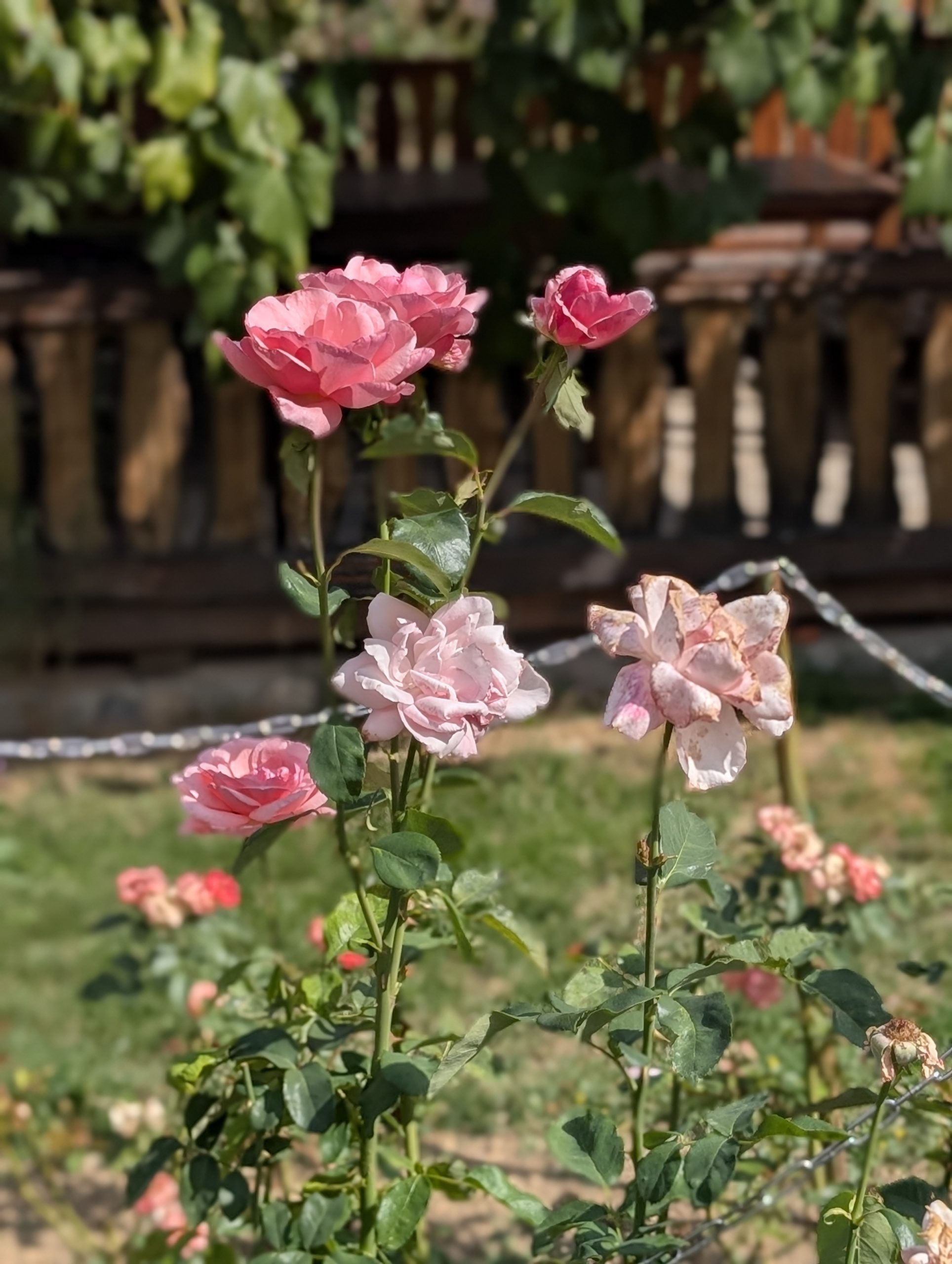
This area in central Bulgaria is also known for its rose industry. The Rosa Damascena, a pink rose from Syria, was introduced to Bulgaria by the Ottomans in the 19th century. Rose oil is produced from these farms. The volume of production has declined since the end of communism. We had a quick tour and mediocre lunch at a rose distillery (Damascena Ethnographic Complex), a bit of a disneyesque production designed for tourists. We learned that tons of rose petals are required to make one liter of rose oil.
Our destination for the next two days was the town of Burgas, located on the Black Sea. Lonely Planet describes Burgas as “a run-of-the-mill city defined by a great beach and a beautiful park”. We stayed at the Grand Hotel & SPA Primoretz which resort faces the sea and has a private beach for it’s guests. It also borders the park that runs along the sea towards town. Unfortunately we had rooms on a lower floor with no views of the sea.
Burgas has several museums and churches worth a visit but we ran out of time.
For dinner, we walked to the pedestrian street witch has loads of restaurant choices. We at a nice dinner at Happy Bar & Grill, part of a chain restaurant with reasonably good food. The hotel itself felt a bit like we stepped back into Communist times. Their security guards and staff were a little scary looking and not particularly friendly.